Year-Round Solutions for Davie FL Pest Control and Seasonal Pest Issues

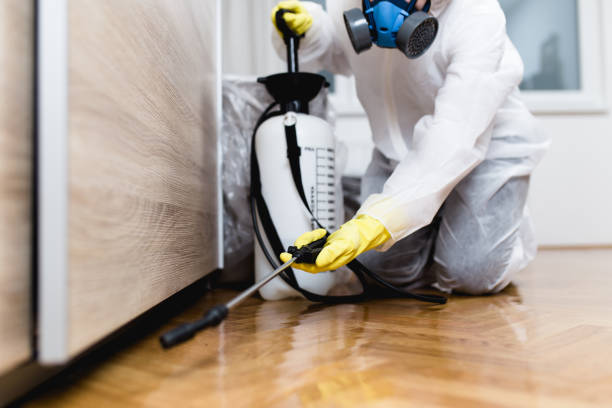
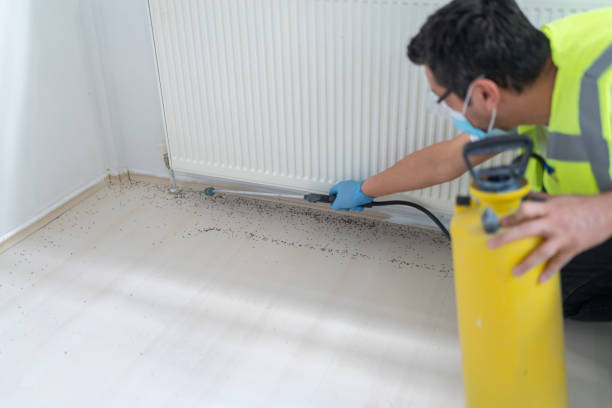
Man from Pest Control Service spraying insecticide over window frame inside the house Pest control guy spraying window frame and sill at home. Young male worker wearing protective mask and uniform overalls spraying insecticide over windowsill in modern living room interior of new house pest control stock pictures, royalty-free photos & images

Pest issues vary with the seasons, requiring tailored approaches to mitigate infestations effectively. Recognizing and addressing these problems proactively can help protect your home, health, and property from damage throughout the year.

Spring: Awakening Pests

As temperatures rise, pests that were dormant during winter become active. Common spring pests include ants, flies, bees, and termites.

Tips for Spring Pest Control:

Seal Entry Points: Inspect windows, doors, and cracks in your home’s foundation to prevent insects from entering.

Eliminate Standing Water: Remove sources of stagnant water to deter mosquitoes and other water-dependent pests.

Declutter Outdoor Areas: Ensure woodpiles, leaves, and debris are cleared away.

Pests Prevention Tips
Ants Seal food containers
Bees Avoid excessive flowering plants near entrances
Termites Schedule a termite inspection

Summer: Peak Pest Activity

Summer heat invites pests such as mosquitoes, ants, cockroaches, and ticks into homes or nearby outdoor spaces. These pests thrive in warm conditions.

Tips for Summer Pest Control:

– Use insect screens on windows and doors.

– Mow the lawn regularly to reduce tick habitats.
– Empty trash bins frequently to limit cockroach infestations.

Common Summer Pests to Watch For:
– Mosquitoes: Install mosquito traps or use citronella products outdoors.
– Cockroaches: Repair leaking pipes as moisture attracts them.

Autumn: Preparing for Overwintering Pests

Cooler weather encourages some pests like rodents and spiders to seek shelter indoors during autumn months.

Tips for Autumn Pest Control:

1. Store firewood away from your home—at least 20 feet away if possible.

2. Inspect attics or basements for spider webs or rodent droppings.

3. Install door sweeps on exterior doors.

Winter: Indoor Shelters for Pests

During winter months, rodents (like rats and mice) are common indoor invaders searching for warmth and food sources.

Steps to Mitigate Winter Infestations:

– Use rodent traps in areas with suspected activity.

– Vacuum regularly to avoid accumulating crumbs that attract pests.

– Block entry points using steel wool or caulk around pipes or vents.

Effective Year-Round Strategies from a Trusted Davie FL Exterminator

To effectively manage pests throughout all seasons:

1. Schedule professional pest inspections annually.

2. Keep your home clean by promptly addressing spills or crumbs.

3. Practice proper waste management by securing trash bins tightly.

By understanding seasonal patterns of pest behavior and implementing appropriate measures year-round, you can maintain a pest-free environment while ensuring peace of mind at home or on your property.

Effective Davie FL Pest Removal: Protecting Your Home from Termite Infestations

Understanding the dangers termites pose and implementing preventative measures is critical for maintaining your property’s integrity.

Why Termites Are a Serious Threat

  • Expensive Repairs: The costs of repairing termite damage can run into thousands of dollars if left untreated.

Detecting a termite problem early is key to minimizing damage.

  1. Discarded Wings: Swarmers (reproductive termites) shed their wings after mating.
  2. Hollow-Sounding Wood: Tap on wooden surfaces; if they sound hollow, it may indicate internal termite damage.
  3. Frass (Droppings): Drywood termites leave behind small piles of wood-colored pellets resembling sawdust.

Preventative Measures for Termite Control

Preventing termites begins with proactive measures designed to minimize their access to your home.

Home Maintenance Tips:
  • Repair leaky faucets, pipes, or AC units that create excess moisture—termites thrive in damp environments.
  • Ensure gutters and downspouts direct water away from your home’s foundation.
  • Seal any cracks or crevices in your foundation and exterior walls to deny entry points.
Landscaping Adjustments:
  • Keep firewood at least 20 feet away from your home and elevate it off the ground.
  • Avoid planting shrubs or trees too close to the house; their roots can provide hidden pathways for termites.
  • Use mulch sparingly near foundations since it retains moisture that attracts termites.
Professional Treatments:

For more robust protection, consider professional pest control solutions: | Treatment Type | Description | |———————|—————————————————————————–| | Liquid Barrier Treatments | A chemical solution applied around the perimeter creates a protective barrier against termites. | | Bait Systems | Baits placed strategically around your property lure termites away from your home while eliminating entire colonies. | | Fumigation | Used for severe infestations, fumigation involves sealing off your home and introducing gas that kills all pests inside.

Regular Inspections Are Key

Even with preventative measures in place, scheduling annual inspections with a licensed pest control professional is essential. Professionals have experience detecting subtle signs of infestation that homeowners might overlook.

By staying vigilant against termite threats through proper maintenance and treatment strategies, you can protect your home from costly repairs while ensuring its long-term safety.

Effective Tips from a Pest Control Company Davie FL to Keep Mosquitoes, Ants, and Cockroaches Out of Your Home

Summer is a prime season for pests like mosquitoes, ants, and cockroaches. These pests not only cause discomfort but can also pose health risks by spreading diseases and contaminating food. Implementing effective preventive measures and understanding the behaviors of these pests can help keep your home safe and pest-free during the warmer months.

During summer, pests thrive due to increased temperatures, higher humidity levels, and the abundance of food sources.

  • Mosquitoes: Attracted to standing water and warm weather, mosquitoes breed rapidly during summer. They are most active at dawn and dusk.
  • Ants: Ant colonies become more active in seeking food sources when temperatures rise. They often invade homes in search of sugary or greasy foods.
  • Cockroaches: These pests prefer warm, humid environments and are drawn to areas with readily available food or water.
  • Eliminate Standing Water: Regularly empty water from birdbaths, flowerpots, gutters, tarps, or any item that collects rainwater.
  • Use Screens on Doors/Windows: Ensure all screens are intact to keep mosquitoes from entering your home.
  • Install Outdoor Lighting Strategically: Use yellow bug lights or LED bulbs that attract fewer mosquitoes compared to traditional lights.
  • Apply EPA-approved mosquito repellents when outdoors.
  • Set up mosquito traps in high-risk zones like patios or gardens.
Common Breeding Areas Action Required
Birdbaths Clean/refill weekly
Plant saucers Empty excess water regularly
Clogged gutters Clean debris frequently

Ant infestations spike in summer as they seek sustenance indoors.

  • Seal Entry Points: Inspect windows, doors, baseboards, and utility lines for cracks or gaps where ants might enter. Seal them with caulk.
  • Keep pantry items in airtight containers.
  • Avoid leaving crumbs or spills on kitchen counters overnight.
  • Sprinkle cinnamon or cayenne pepper near entry points as natural repellents.
  • Use vinegar-water sprays to clean surfaces where ants frequently roam.
  • Vacuum floors regularly to eliminate crumbs.
  • Avoid leaving dirty dishes out overnight; wash them promptly after meals.
  • Fix Leaks: Address plumbing leaks under sinks or appliances immediately to remove water sources they depend on.
  • Ensure garbage bins have tightly sealed lids.
  • Take out trash daily if possible.

Quick Tips Summary

Pest Key Actions Tools/Supplies Needed
Mosquitoes Remove stagnant water Bug spray, traps
Ants Seal entry points; clean surfaces Caulk sealant; vinegar spray
Cockroaches Eliminate food/water sources Airtight bins; roach traps

By taking proactive steps such as sanitation practices, sealing potential entry points, and managing outdoor spaces effectively during summer months, you can minimize the risk of pest infestations caused by mosquitoes, ants, and cockroaches while maintaining a cleaner living environment year-round.

Effective Termite Control in Davie FL: Protecting Your Home This Winter

As temperatures drop during winter, rats and mice often seek shelter indoors to escape the cold. Homes, garages, and other structures provide warmth, food, and safety for these rodents. However, their presence can pose serious risks to your property and health. By understanding these risks and implementing effective prevention strategies, you can protect your home during the colder months.

Risks Associated with Rats and Mice

One woman in protective suit spraying and disinfecting the balcony exterminator pest control virus One woman in protective suit spraying and disinfecting the balcony exterminator pest control virus pest control stock pictures, royalty-free photos & images

  • Health Hazards:
    Rodents are known carriers of diseases such as hantavirus, leptospirosis, salmonella, and rat-bite fever. Their droppings, urine, and saliva can contaminate surfaces in your home.
  • Structural Damage:
    Rodents have strong teeth that grow continuously. This behavior can weaken the structural integrity of your home and increase fire risks due to damaged wiring.
  • Food Contamination:
    Rats and mice forage for food in kitchens or pantries. They gnaw through packaging to access food items while leaving behind droppings or urine that contaminate supplies.
  • Rapid Reproduction:
    Both rats and mice reproduce rapidly. A small infestation left unchecked can quickly grow into a larger problem within weeks.

Early detection is key to managing rodents before they become a widespread issue.

  1. Droppings near food sources or along walls.
  2. Chewed wires or damaged insulation.
  3. The smell of urine or musky odors in hidden areas.
  4. Nests made from shredded paper or fabric in secluded spaces.
  5. Scratching noises coming from walls or ceilings during the night.
  6. Visible sightings of live rodents scampering indoors.

Prevention Tips to Keep Rodents Out

  1. Seal Entry Points:
    Inspect for gaps around doors, windowsills, vents, pipes, or cracks in walls that could serve as entryways for rodents. Seal openings with steel wool or caulk since rodents cannot chew through these materials.
  2. Store food items in airtight containers made from glass or metal.
  3. Regularly clean crumbs from countertops and floors.
  4. Dispose of garbage frequently using sealed bins.
  5. Eliminate Clutter:
    Keep basements, attics, garages free from clutter where rodents might build nests.
  6. Trim Vegetation Around Your Home:
    Overhanging tree branches offer easy access to rooftops while dense shrubs near foundations provide hiding spots for rodents.
  7. Install Traps Where Necessary:
    Place snap traps or bait stations along rodent pathways such as baseboards or entry points; ensure they’re safe if you have pets or children at home.

Comparing Common Rodent Types

Feature Rats Mice
Size Larger (up to 16 inches) Smaller (3-4 inches)
Behavior Cautious Curious
Habitat Preferences Basements/sewers Indoors near food sources
Dropping Shape Spindle-shaped Small & pointed ends

Taking proactive steps against rodents during winter ensures both peace of mind and safety within your living environment year-round.

How to Keep Fleas, Spiders, and Stink Bugs Out of Your Home in Autumn

Autumn brings with it cooler weather, making your home an inviting space for pests like fleas, spiders, and stink bugs. While these pests are common during the fall season, taking proactive steps can help you protect your home and family from an infestation. Below is a guide to understanding these autumn pests and effective strategies to keep them at bay.

Understanding Autumn Pests

  • Fleas: Fleas can be especially problematic if you have pets. These tiny parasites thrive in warm environments and can hitch rides on animals or clothing. Once inside your home, they can multiply quickly and cause itchy bites.
  • Spiders: Spiders often enter homes in search of shelter during autumn. While most spiders are harmless, some species like the black widow or brown recluse can pose health risks.
  • Stink Bugs: Stink bugs are nuisance pests that seek warmth indoors as temperatures drop outside. While they don’t pose direct harm to humans, they release a foul odor when disturbed or squished.

How to Prevent Fleas

  1. Regularly groom pets and use veterinarian-approved flea treatments.
  2. Wash pet bedding frequently in hot water.
  3. Vacuum carpets and furniture thoroughly to remove flea eggs or larvae.
  4. Keep lawns mowed short as fleas tend to hide in tall grass.
  5. Clear out leaf piles where fleas might thrive.
  6. Use a dehumidifier since fleas prefer humid environments.
  7. Steam clean rugs and upholstery periodically.

How to Prevent Spider Intrusions

  1. Check for cracks around windows, doors, and foundation walls; seal these gaps with caulk or weather stripping.
  2. Install fine-mesh screens on vents and windows.
  3. Reduce clutter such as cardboard boxes where spiders may hide.
  4. Store items in plastic containers with tight-fitting lids instead of loose piles of materials.
  5. Minimize outdoor lighting at night as it attracts insects that spiders prey on.
  6. Opt for yellow-tinted bulbs that are less attractive to bugs if outdoor lighting is necessary.
  7. Spray essential oils like peppermint or eucalyptus near entry points since spiders dislike these scents.

How to Keep Stink Bugs Away

  1. Examine the exterior of your home for gaps or openings where stink bugs might enter.
  2. Repair damaged screens on windows and doors immediately.
  3. Make sure outdoor lighting is directed away from your house since light attracts stink bugs at night.
  4. Remove leftover vegetable plants from gardens as they can lure stink bugs closer to your property.
  5. Vacuum Regularly Inside the House
    If stink bugs do make their way indoors, vacuum them up carefully rather than squishing them—this prevents releasing their odor.
  6. Deploy Traps Where Necessary Use DIY traps like shallow pans filled with soapy water placed near light sources at night; this method attracts stink bugs without using chemicals.

A Comparison Table of Effective Methods

Pest Type Key Prevention Methods Tools/Materials Needed Additional Tips
Fleas Pet care, vacuuming, lawn maintenance Vacuum cleaner, flea treatments Treat pets regularly
Spiders Sealing gaps, decluttering Caulking gun, plastic storage containers Use essential oils as deterrents
Stink Bugs Sealing cracks, reducing attractants Fine-mesh screens, vacuum Avoid squishing them indoors

By addressing these preventative measures early in the season, you reduce the likelihood of dealing with a severe pest problem later on. Stay vigilant throughout autumn so your home remains pest-free as temperatures continue to drop outside.

The Threat of Clothes Moths and How to Safeguard Your Belongings

Clothes moths are a common yet underestimated pest that can wreak havoc on your home, particularly targeting fabrics, clothing, and other natural fibers. Understanding their behavior and implementing preventative measures is essential to protect your belongings effectively.

What Are Clothes Moths?

Clothes moths are small insects that typically measure between 6-8 mm in length. Unlike most moth species, they avoid light and prefer dark, undisturbed spaces such as closets, attics, or under furniture.

  1. Golden-colored wings.
  2. Larvae spin silk webbing as they feed.
  3. Brownish wings with faint spots.
  4. Larvae create protective cases around themselves made from fabric debris.

Why Are They a Threat?

Clothes moth larvae are the real culprits when it comes to damage. They feed on keratin—a protein found in natural fibers like wool, silk, fur, feathers, and even leather—leaving behind holes in fabrics and compromising the integrity of garments or upholstery. If left unchecked, their destructive activity can go unnoticed for months due to their preference for dark areas.

  • Small holes in clothing or upholstery.
  • Silken tubes or cases near infested materials.
  • Excessive shedding of fabric fibers.
  • Adult moth sightings in dimly lit spaces.

Steps to Safeguard Your Belongings

Protecting your belongings from clothes moths requires a combination of good hygiene practices and targeted pest control efforts.

  • Proper Storage Practices
  • – Use airtight containers or vacuum-sealed bags for storing out-of-season clothing.
  • – Avoid leaving woolen blankets or coats exposed for long periods without use.
  • – Opt for cedar chests or cedar blocks as natural repellents.
  • Regular Cleaning
  • – Wash clothing thoroughly before storing them—larvae are attracted to body oils, sweat residue, and food stains.
  • – Vacuum carpets, rugs, and upholstered furniture regularly to remove larvae or eggs that may be present.
  • Declutter Your Space
  • – Eliminate unused items where clothes moths might thrive.
  • – Keep storage areas well-organized so infestations can be detected early.
  • Use Insecticides Judiciously | Product Type | Description | Application Tips | |———————–|—————————————|—————————————| | Moth Sprays | Targets adult moths | Apply near storage areas but not directly on fabrics | | Pheromone Traps | Attract male moths to reduce breeding | Place traps strategically in closets |
  • Focus on Environmental Controls
  • – Maintain low humidity levels indoors; high moisture attracts pests like clothes moths.
  • – Ensure proper ventilation in storage spaces to deter infestation.

Natural Repellents vs Chemical Solutions

Natural options include:

– Using dried lavender sachets near clothing storage areas.

– Incorporating neem oil sprays as fabric-safe alternatives.

While these remedies can deter minor infestations effectively over time, heavily infested homes may require professional pest control services for long-term resolution.

By staying vigilant and employing preventative strategies like proper storage methods and regular inspections, you can ensure your belongings remain free from clothes moth damage year-round while minimizing the need for drastic intervention later on.

Comprehensive Pest Control Solutions for Every Season

Effective pest control requires a proactive, year-round approach as different pests emerge with changing seasons. From insects to rodents, understanding seasonal patterns and implementing preventive measures can help keep your home pest-free while minimizing potential health and structural risks. Below is a comprehensive guide to tackling pests seasonally.

Spring: Awakening Pests

As temperatures rise, many insects and pests become more active after winter dormancy. Common spring pests include ants, termites, and spiders.

Key strategies for spring pest control:
Seal Entry Points:Inspect and seal cracks in windows, doors, and walls.
Address Moisture Issues:Fix leaks or drainage problems to reduce water sources for pests.
Yard Maintenance:Trim vegetation near your home’s foundation to eliminate hiding spots.

Pest Problem Prevention Tips
Ants Build indoor nests Use bait traps; seal food properly
Termites Wood damage Schedule yearly termite inspections
Spiders Webs in corners Vacuum regularly; remove clutter

Summer: Battling Mosquitoes, Ants, and More

Summer brings warmth but also invites mosquitoes, cockroaches, ants, and flies into your living space.

How to protect your home during summer:
Eliminate Standing Water:Empty buckets or planters where mosquitoes could breed.
Install Screens:Ensure windows have intact screens to keep flying insects out.
Proper Waste Disposal:Clean trash bins frequently to deter cockroaches.

Pro Tip:Use fans as mosquitoes struggle in windy conditions.

Autumn: Dealing with Fleas, Spiders, and Stink Bugs

In autumn, pests often seek refuge indoors as they prepare for colder months ahead.

Practical autumn pest control tips:
1.Vacuum Frequently:This removes fleas from carpets and reduces spider webs.
2.Store Firewood Away from Your Home: Stink bugs may hide in stacked firewood for warmth.

3.Inspect Weatherstripping: Replace damaged strips on doors or windows to prevent entry points.

Regular inspection of attics or basements during this season is essential.

Winter: Addressing Rodent Infestations

During winter months, rodents like rats and mice tend to invade homes searching for food and warmth.

Steps for effective winter rodent management include:
Set Traps or Baits: Place traps near walls where rats typically travel at night.

Store Food Securely: Keep pantry items in airtight containers.

Inspect Insulation Areas: Look for rodent nests within wall cavities or attics.

Year-Round Prevention Best Practices

To maintain a pest-free home throughout the year:
– Conduct regular inspections of your property inside and out.

– Partner with professional pest control services if infestations persist.

– Educate household members on proper food storage habits to deter unwanted guests.

By staying vigilant about preventive measures tailored to each season’s challenges, homeowners can significantly reduce their risk of invasion by pests all year long.


Debunking Myths About Davie FL Pest Removal and Revealing the Truth

Exterminators in warehouse spraying pesticides with sprayer Exterminators in warehouse spraying pesticides with sprayer pest control stock pictures, royalty-free photos & images

Pest control is a topic surrounded by many myths and misconceptions, leading to improper pest management strategies. Understanding the truth behind these common myths can help homeowners adopt more effective measures to protect their property. Below are ten widespread misconceptions about pest control and the realities behind them.

1. Myth: A Clean Home Won’t Have Pests

Reality: While cleanliness is important, it doesn’t guarantee a pest-free environment. Many pests like cockroaches, ants, and rodents are attracted to shelter, warmth, and food sources that might not be immediately visible to you. Even clean homes may have hidden food residues in cracks or crevices that attract pests.

  • Pests like termites feed on wood structures, regardless of how clean your home is.
  • Bed bugs don’t rely on dirt; they thrive anywhere humans reside.

2. Myth: If You Don’t See Pests, They’re Not There

Reality: Many pests are experts at hiding in dark or concealed spaces such as walls, attics, or basements. Just because you don’t see them doesn’t mean they aren’t actively causing damage or reproducing in unseen areas.

Common Signs of a Hidden Infestation:
– Droppings or urine stains from rodents.

– Hollow-sounding wood (a sign of termites).

– Unusual noises at night (e.g., scurrying or gnawing).

3. Myth: DIY Pest Control Is Always Effective

Reality: While some minor infestations can be managed with store-bought pesticides or traps, large or recurring infestations often require professional intervention. DIY solutions might provide temporary relief but fail to address the root cause.

DIY Solutions Professional Pest Control
Short-term effectiveness Long-term prevention strategies
May use harmful chemicals Safer and targeted eco-friendly methods
Limited knowledge of pest behavior Expertise in pest identification & removal

4. Myth: Cats Are Enough for Rodent Control

Reality: Though cats may catch an occasional mouse, relying on pets for rodent control is far from sufficient for an infestation. Rodents reproduce quickly and often hide in spaces inaccessible to pets.

5. Myth: Ultrasonic Devices Eliminate Pests

Reality: Ultrasonic devices claim to repel pests through sound waves but lack consistent scientific evidence proving their effectiveness against established infestations.

6. Myth: One Treatment Is All You Need

Reality: Successful pest control often requires multiple treatments over time coupled with preventive measures like sealing entry points and ongoing monitoring.

By addressing these misconceptions with facts and practical solutions, homeowners can take better steps toward maintaining a safe and pest-free living environment while avoiding ineffective approaches.

Expert Tips on Davie FL Pest Control for a Pest-Free Home

One of the most prevalent misconceptions about pest control is that maintaining a clean home guarantees complete immunity from pest infestations. While cleanliness plays an important role in reducing the likelihood of pests, it is not the sole factor. Pests are opportunistic creatures that can thrive in even the cleanest environments under certain conditions. Here’s a closer look at why this myth persists and why it’s inaccurate.

How a Pest Control Company in Davie FL Can Help Keep Your Clean Home Pest-Free

  1. Even tiny crumbs or spills can attract pests like ants, cockroaches, or rodents.
  2. Certain pests, such as pantry moths or weevils, infest sealed food items like grains and cereals if improperly stored.
  3. Leaky pipes, standing water, or damp basements provide ideal conditions for pests such as termites and silverfish.
  4. Small cracks in walls, floors, or foundations offer shelter even when a home appears spotless.
  5. Proximity to heavily wooded areas or neighboring properties with infestations may increase the likelihood of pests entering your home regardless of cleanliness.
  6. Seasonal changes often drive pests indoors seeking warmth or cool shelter depending on external temperatures.

Effective Termite Control in Davie FL for Clean Homes

Pest Type Reason for Infestation Key Risk Areas
Ants Searching for small food crumbs Kitchen counters, under appliances
Cockroaches Moisture and warmth Bathrooms, basements
Rodents (Mice/Rats) Warmth and nesting material Attics, wall voids
Spiders Searching for prey Corners, storage areas
Termites Wood structures regardless of visible dirt levels Foundations, wooden furniture

Factors Beyond Cleanliness That Invite Pests

  • Structural Issues: Gaps around doors and windows or cracks in foundations allow easy access for insects and rodents.
  • Landscaping Features: Overgrown greenery close to your home can act as a bridge for pests like ants and spiders.
  • Unsealed Entry Points: Vents, chimneys, and utility openings provide pathways for bugs and animals.

Preventative Steps You Can Take

  • Seal all cracks and crevices around your home’s exterior with caulk.
  • Install door sweeps on exterior doors to block entry points.
  • Store food items in airtight containers made of metal or sturdy plastic.
  • Fix leaking pipes promptly and ensure proper drainage around your property.
  • Trim vegetation near your home to create a barrier between outdoor habitats and living spaces.

The Role of Professional Pest Control

If you’re experiencing persistent pest issues despite maintaining a clean environment, professional pest control services may be necessary. Trained experts can identify hidden infestations that are difficult to detect on your own. They use targeted treatments tailored to specific pest species while addressing underlying causes such as structural vulnerabilities.

By understanding that cleanliness alone does not eliminate all risks associated with pest problems—and combining it with other preventative strategies—you can better protect your home from unwanted intruders year-round.

How a Davie FL Exterminator Can Ensure Your Home Stays Pest-Free

It’s a common misconception that if you don’t see pests, your home must be pest-free. However, this is far from the truth. Many pests are experts at hiding, and their presence often goes unnoticed until the infestation becomes severe. To protect your home effectively, it’s essential to understand why not seeing pests doesn’t mean your home is safe and pest-free.

Reasons Why Pests May Go Unnoticed

  1. Many common household pests, such as cockroaches, rodents, and bed bugs, are primarily nocturnal. They remain hidden during the day and become active at night when humans are less likely to notice them.
    • Ants can infiltrate walls and floors through tiny cracks.
    • Bed bug nymphs (immature bed bugs) are about the size of a poppy seed.
    • Inside walls or ceilings
    • Under floors
    • Behind appliances or cabinets
  2. In the early stages of an infestation, the damage caused by pests may not be immediately apparent. Termites, for instance, consume wood from within and leave surfaces intact until significant structural damage has occurred.
  3. Pests have evolved to adapt to human living spaces without being noticed. For example:
    • Rodents often travel unseen along baseboards or in attics.
    • Cockroaches can hide in tight crevices behind furniture or appliances.

Signs of Hidden Pest Infestations

Sign Possible Pest Details
Droppings Rodents or Cockroaches Found near food sources or along baseboards
Damaged Packaging Mice or Pantry Pests Chewed holes in food packaging
Wood Dust or Holes Termites Fine sawdust near wooden furniture or structures
Strange Odors Rodents or Cockroaches Musty smell caused by droppings or pest activity
Shed Skins Bed Bugs Molted skins found near bedding or furniture

Why Early Detection Matters

  • Health Risks: Many pests carry bacteria, viruses, and allergens that can cause respiratory problems or diseases like salmonella (linked to cockroaches) or hantavirus (from rodents).
  • Property Damage: Left unchecked, termites can weaken wood structures while rodents may chew through electrical wiring—posing fire hazards.
  • Increased Costs: The longer an infestation goes undetected, the more expensive it becomes to control due to structural repairs and extensive extermination efforts.

Prevention Tips for Hidden Infestations

  • Inspect dark corners regularly such as basements, attics, and crawl spaces.
  • Seal cracks around windowsills and doors with caulk.
  • Store food in airtight containers made of glass or heavy-duty plastic.
  • Schedule professional pest inspections annually—even if no visible signs exist.
  • Keep clutter minimal since it provides shelter for pests.

By staying vigilant and proactive with prevention measures like regular inspections and maintenance routines—even when there’s no apparent activity—you’ll significantly reduce the risk of hidden infestations affecting your home over time.

The Ineffectiveness of Cats and Pets in Controlling Rodent Populations

For centuries, cats have been considered an effective solution for controlling rodent populations. While it’s true that some cats do hunt mice and rats, relying solely on pets for pest control is not as effective as many believe. In modern pest management, there are several factors that render this approach unreliable. Let’s explore the reasons why pets like cats may not be the best line of defense against rodent infestations.

Reasons Why Cats Are Ineffective for Rodent Control

  1. Domestic cats vary greatly in their hunting instincts. Many household cats are bred for companionship rather than for their ability to hunt rodents.
  2. Even when cats display hunting behavior, they may lose interest after catching a few rodents or may prefer easier prey like insects.
  3. Mice and rats are highly intelligent creatures that can adapt quickly to threats in their environment.
  4. Many rodents will avoid areas frequented by cats, which might initially reduce sightings but does not necessarily eliminate the population.
  5. A single pair of mice can produce dozens of offspring within weeks, far outpacing the hunting capabilities of a single cat.
  6. If even a small number of rodents go unnoticed, infestations can persist despite a cat’s presence.
  7. Rodents can carry diseases like leptospirosis or parasites such as fleas and ticks that can infect your pet.
  8. Toxic baits or traps placed around your home may also pose risks if consumed by curious animals.

Why Dogs Aren’t Effective Either

  • Most dog breeds lack the instinct or agility to catch mice or rats effectively.
  • Larger dogs may damage property while chasing rodents into tight spaces like walls or under furniture.
  • Dogs are equally susceptible to diseases carried by rodents.

Safer and More Effective Alternatives

Method Description Effectiveness
Sealing Entry Points Inspect your home for cracks, gaps, or holes where rodents can enter. Use steel wool or caulk to seal these areas. High
Sanitation Measures Keep food sealed in containers and clean up crumbs or spills promptly to eliminate food sources for pests. High
Professional Pest Control Licensed pest control experts use targeted strategies like baiting and trapping while minimizing health risks to humans and pets. Very High

Exterminator working Woman exterminator in work wear spraying pesticide or insecticide with sprayer pest control stock pictures, royalty-free photos & images

Benefits of Professional Rodent Control Over Pets

  • They utilize advanced techniques such as trapping systems and monitored bait stations.
  • Pest experts ensure safe practices that won’t harm your pets or family members.
  • Long-term prevention plans focus on reducing future infestation risks rather than temporary fixes.

While having a cat might provide occasional relief from spotting a wandering mouse in your home, it is not a comprehensive solution to controlling rodent populations. For long-term pest management, it is essential to combine preventive measures with professional expertise rather than depending solely on pets’ natural instincts.

Seasonal Pest Problems: Why Pests Are a Year-Round Concern

Pests are often associated with specific times of the year, such as mosquitoes in summer or rodents in winter. However, the reality is that pest problems can persist throughout the year, albeit with some variations depending on the season. Understanding how different pests thrive during different times of the year can help you develop effective strategies to keep your home pest-free.

Common Seasonal Pests and Their Behavior

Season Common Pests Behavior and Risks
Spring Ants, termites, flies Emergence from hibernation; colonies seek food sources
Summer Mosquitoes, wasps, spiders Breeding season; increased outdoor and indoor presence
Fall Rodents, stink bugs, cockroaches Seek warmth indoors as temperatures drop
Winter Mice, rats, silverfish Shelter indoors; heightened risk of contamination

Why Pests Persist Year-Round

  1. Adaptability: Many pests have evolved to adapt to changing weather conditions. 
  2. Cockroaches thrive indoors where warmth and moisture are constant.
  3. Rodents can enter through tiny cracks to escape cold weather.
  4. Human Activity: Homes provide consistent food sources like crumbs or improperly stored items that attract pests regardless of the season.
  5. Climate Control: Modern heating and cooling systems maintain comfortable indoor environments year-round—perfect for pests looking for stable living conditions.
  6. Global Trade: With frequent shipping across regions and countries, some species (e.g., bed bugs) can spread widely regardless of local climates.

Tips for Managing Year-Round Pest Issues

  • Seal entry points such as windows or door gaps.
  • Remove standing water to discourage mosquitoes.
  • Keep trash bins tightly sealed.
  • Inspect storage areas for signs of rodents or insects.
  • Use weather stripping around doors to block entry points.
  • Store firewood away from your home’s foundation.
  • Perform regular inspections of basements and attics.
  • Clean up spills promptly and ensure all food is stored in airtight containers.

Professional Assistance May Be Necessary

While DIY strategies are helpful, professional pest control services may be required for persistent issues or large infestations. Professionals have tools and expertise to address various species effectively while minimizing risks to your household.

Understanding that pests are not just a seasonal issue but rather an ongoing concern ensures you remain proactive in protecting your home from potential invasions throughout the year.

Seasonal Pest Problems: Why Pests Are a Year-Round Concern

Many people assume that pests are only an issue during specific seasons, such as summer when insects are more active. However, the reality is that pest problems exist throughout the year, varying based on species and environmental conditions. Understanding the seasonal nature of pest activity can help you be proactive in preventing infestations.

Common Seasonal Pests

Season Common Pests Reasons for Activity
Spring Ants, termites, wasps Warmer weather triggers reproductive cycles and colony expansion
Summer Mosquitoes, flies, ticks Heat and humidity create ideal breeding environments
Fall Rodents, spiders Cooling temperatures drive pests indoors seeking warmth
Winter Mice, rats, cockroaches Harsh outdoor conditions force pests to find food and shelter indoors

Why Pests Persist Year-Round

Even though certain pests are more active at specific times of the year, various factors contribute to their presence throughout all seasons:
Adaptability: Many pests can survive extreme conditions by finding shelter in homes or underground.
Access to Resources: Pests look for food and water sources regardless of weather changes. A dripping faucet or crumbs left behind can sustain them year-round.
Insulation in Homes: Modern buildings provide consistent temperatures that allow some species to thrive even during winter months.

How Seasonal Changes Impact Your Home

Each season presents unique risks for pest infestations:
– In spring and summer, insects like ants or termites may swarm to establish new colonies near your property.
– During fall, rodents may enter through small cracks or openings as they prepare for winter hibernation indoors.
– Cold winter months see an increase in indoor pest activity as outdoor resources dwindle.

Staying informed about these patterns allows homeowners to implement preventative measures tailored to each season’s risks.

Preventative Steps for Year-Round Pest Control

  • Inspect your home for cracks where ants and termites could enter.
  • Trim vegetation near your foundation to reduce pest access points.
  • Remove standing water from gutters or birdbaths to deter mosquitoes.
  • Store food in airtight containers to avoid attracting flies.
  • Seal gaps around doors/windows with weather stripping or caulk.
  • Clean basements/garages where rodents may seek shelter.
  • Keep firewood stored away from your home’s exterior walls.
  • Regularly inspect pantry items for signs of cockroach activity.

By taking these proactive steps during each season, you can significantly reduce the likelihood of dealing with large-scale pest issues.

Understanding that pest control is not just a seasonal chore, but a continual process will save time and money while protecting your home from unwanted invaders all year long. Letting your guard down even briefly could provide an opening for an infestation cycle to begin anew.

How to Keep Mice and Rats Out of Your Home with Proven Strategies

Mice and rats can be more than just a nuisance—they pose significant health risks, contaminate food, and cause structural damage to your home. Implementing effective strategies to prevent these rodents from entering your home is essential for maintaining a clean and safe living environment. Here are proven methods to keep mice and rats at bay.

Identify Entry Points

  • Cracks in walls or foundations: Seal gaps using caulk or concrete.
  • Holes around pipes or wiring: Use steel wool or wire mesh combined with caulk.
  • Gaps under doors: Install weather stripping or door sweeps.
  • Vents and chimneys: Cover them with sturdy metal screens.

Regularly inspecting these areas will ensure no new access points are created over time.

Eliminate Food Sources

  • Store food in airtight containers made of metal or glass.
  • Clean up crumbs, spills, and grease from kitchen surfaces immediately.
  • Dispose of garbage regularly in bins with secure lids.
  • Avoid leaving pet food out overnight.

Additionally, outdoor food sources such as birdseed or fallen fruit in the yard should also be cleaned up promptly.

Maintain a Tidy Yard

Problem Area Solution
Overgrown vegetation Trim shrubs and grass regularly.
Woodpiles near walls Store at least 20 feet away from the house.
Standing water Eliminate water sources where pests can drink.

These steps will reduce hiding spots for mice and rats around your property.

Use Rodent Deterrents

  1. Ultrasonic devices: While results vary, they can supplement other prevention efforts.
  2. Peppermint oil: Its strong scent is said to repel rodents when applied near entry points.
  3. Electronic traps: A humane way to eliminate existing rodent issues without using harmful chemicals.

Ensure that deterrents are combined with consistent monitoring for the best outcome.

Regular Inspections

Even after implementing these strategies, it’s crucial to schedule regular inspections of both interior spaces (attics, basements) and exterior areas (siding, foundations). Early detection allows you to address rodent problems before they escalate into infestations.

By following these proven strategies, homeowners can create an environment that’s unappealing for mice and rats while safeguarding their property from potential damage caused by these unwelcome guests.

How to Keep Mice and Rats Out of Your Home with Proven Strategies

Mice and rats are persistent pests that can cause significant damage to your home and pose serious health risks. Keeping these rodents out requires a proactive approach and consistent effort. Below are proven strategies to protect your home from infestations.

Seal Entry Points

Rodents can squeeze through surprisingly small gaps, making it essential to seal all possible entry points in your home.

  • Inspect walls, doors, windows, vents, and foundations for cracks or holes.
  • Use durable materials like steel wool, copper mesh, or caulk to fill gaps.
  • Pay special attention to areas where pipes and wires enter the home.
Area of Concern Materials for Sealing
Gaps under doors Door sweeps or weather stripping
Cracks in foundation Concrete patch or caulk
Holes around pipes Steel wool + silicone sealant
Chimneys Metal mesh covers

Maintain a Clean Environment

While cleanliness alone won’t guarantee a pest-free home, it minimizes food sources that attract rodents.

  • Store food in airtight containers.
  • Clean up spills and crumbs promptly.
  • Dispose of garbage regularly in sealed bins.
  • Declutter storage areas like basements and garages where rodents might nest.

Remove Outdoor Attractions

Your yard can provide shelter and food for rodents. Ensure that the exterior of your home is as uninviting as possible.

  • Trim vegetation away from the house.
  • Store firewood at least 20 feet away from your home.
  • Keep compost bins securely covered.

Pro Tip: Rodents are drawn to standing water sources such as birdbaths or leaky pipes—eliminate these wherever possible.

Set Up Physical Barriers

  1. Install wire mesh around crawl spaces and vents.
  2. Use rodent-proof covers on chimney openings.
  3. Place traps strategically in high-risk areas like basements or attics.

Monitor for Signs of Activity

  • Look for droppings along baseboards or pantry shelves.
  • Check for gnaw marks on wood, wiring, or food packaging.
  • Listen for scratching sounds at night in walls or ceilings.

What To Do If You Spot Signs of Rodents: Acting quickly is vital—contact a professional pest control service if self-managed efforts fail.

By implementing these strategies systematically, you can significantly reduce the likelihood of mice and rats invading your living space while promoting a healthier environment for your household.


What to Expect After Hiring a Davie FL Exterminator

Smiling Exterminators In Van Providing Pest Control Services Smiling Exterminators In Van Providing Pest Control Services With Confidence pest control stock pictures, royalty-free photos & images

Professional pest control treatments are an effective way to manage and eliminate pest infestations. However, it’s important to understand what typically happens after treatment to set realistic expectations and ensure the treatment works as intended. Here’s a detailed guide on what you can expect after a professional pest control service.

1. Increased Pest Activity in the Short Term

It is common to see increased pest activity immediately after a professional treatment. This may seem counterintuitive, but it is actually a sign that the treatment is working. Here’s why this happens:
Disruption of Nesting Areas: Pests are often driven out of their hiding spots due to the chemicals or methods used during treatment.
Exposure: The applied treatments flush pests out into the open before they ultimately succumb to the pesticide or bait system.
Time for Full Effectiveness: Some treatments take time to fully eliminate pests, especially in large infestations.

Expect this increased activity for about 1–2 weeks as pests come into contact with the residual chemicals and traps.

2. Gradual Decline in Pest Numbers

As time progresses, you should notice fewer pests in your home or business:

– Within 7–14 days, most surface activity will cease.

– More severe infestations may require additional treatments or monitoring over several weeks.

3. Dead Pests Might Be Visible

Post-treatment, you may find dead insects or rodents in areas where they were most active before intervention. Regularly cleaning these areas helps prevent secondary issues like odors or scavenger pests.

4. Follow-Up Treatments May Be Necessary

Depending on the severity of your situation and type of pests being addressed:

– Some infestations (e.g., cockroaches, bed bugs) may require multiple treatments.

– A professional might recommend scheduling follow-up visits within specific time frames to monitor progress.

How Long Do Results Last?

The duration of effectiveness varies based on several factors: | Factor | Impact on Results | |——–|——————–| | Type of Treatment | Residual sprays last weeks; baits can be effective for months | | Severity of Infestation | Longer infestations may take more time to fully address | | Home Maintenance | Sealing entry points and maintaining cleanliness extends results |

Tips for Ensuring Treatment Success

To maximize the effectiveness of your pest control service:

– Avoid deep cleaning treated areas immediately after application as you risk removing residual pesticides.

– Remove food debris and standing water sources that could attract new pests.

– Seal cracks and crevices around your property to reduce reinfestation risk.

By understanding these post-treatment processes, homeowners can better manage expectations while ensuring their living space remains safe and pest-free over time.

Effective Davie FL Pest Control Treatments and What to Expect Afterward

After a professional pest control treatment, it is not uncommon for homeowners to notice an increase in pest activity. While this may seem counterintuitive, it is actually a normal and temporary part of the pest elimination process. To better understand why this happens, let’s explore the reasons behind this phenomenon and how you can manage it effectively.

Understanding Why Increased Pest Activity Happens in Davie FL Pest Removal

  • Disruption of Nesting Areas: Treatment chemicals or baits may force pests out of their nests or burrows in search of safety.
  • Exposure to Repellents: Pests that have come into contact with treated surfaces may roam more as they are affected by the active ingredients.
  • Behavioral Responses: Certain treatments can alter pests’ natural instincts, causing disoriented behavior and increased movement.

This increased activity typically means that the treatment is working as intended, driving pests out into the open before they ultimately succumb to the effects of the treatment.

Understanding the Pest Activity Timeline with a Trusted Pest Control Company Davie FL

Pest Type Expected Duration of Increased Activity
Ants 1–2 weeks
Cockroaches 1–3 weeks
Rodents A few days to 1 week
Spiders Up to 2 weeks

In most cases, you should notice a significant decline in activity within days or weeks after treatment. If pest presence persists beyond the expected timeframe, follow up with your pest control provider for further evaluation.

Effective Tips for Termite Control Davie FL Residents Can Use

1. Avoid Disturbing Treated Areas

  • Allow sprays, baits, and traps to work undisturbed.
  • Refrain from cleaning treated surfaces unless instructed by your technician.

2. Maintain Sanitation Practices

  • Keep food sealed in airtight containers.
  • Dispose of garbage regularly and securely.
  • Address moisture issues by fixing leaks or drying damp areas.

3. Monitor Activity Levels

  • Observe patterns in pest movements and note any unusual behavior.
  • Share these observations with your pest control specialist during follow-up appointments.

4. Protect Vulnerable Individuals

If you have children or pets at home:

– Ensure they do not have direct contact with treated areas.

– Follow all safety recommendations provided by your technician regarding re-entry times.

When Should You Seek Help?

While an uptick in activity is normal post-treatment, certain signs might indicate additional intervention is required:

– Persistent infestations well beyond the expected timeframe.

– Appearance of new types of pests unrelated to the initial issue.

– Visible signs that pesticides or baits are being avoided rather than consumed (e.g., untouched traps).

Contact your pest control provider promptly if any concerns arise during this period.

By understanding why increased pest activity occurs after a professional treatment and taking proactive measures, you can ensure long-term success in creating a safer and pest-free environment at home.

Understanding Pest Control Treatments and Increased Activity Afterwards

After a professional pest control treatment, you may notice an increase in pest activity rather than an immediate decline. This can be alarming, but it’s often a sign that the treatment is working effectively. Understanding why this happens and what to expect can help you manage the process with confidence.

Why Does Pest Activity Increase?

  • Disruption of Nests or Colonies: The treatment disturbs pests hiding in cracks, crevices, or nests, flushing them out into the open.
  • Chemical Reaction: Certain treatments act as irritants or disrupt neurological systems, causing pests to move more erratically before succumbing.
  • Repellents Pushing Pests Outwards: Some chemicals repel pests from their hiding spots before killing them.

This phase is temporary as the treatment takes full effect over time.

How Long Does Increased Activity Last?

Pest control worker explains invoice to woman in kitchen Pest control worker explains invoice to woman in kitchen at home. pest control stock pictures, royalty-free photos & images

Factor Impact on Activity Duration
Severity of infestation Heavier infestations may take longer.
Type of pest Different pests react differently to treatments.
Treatment method used Residual versus immediate-kill products vary in results.

Generally, by the two-week mark, significant reductions in pest populations should be noticeable.

What Should Homeowners Do During This Period?

  • Avoid Cleaning Treated Areas: Refrain from cleaning treated surfaces unless directed by your pest control specialist. This ensures that residual chemicals remain active for longer.
  • Seal Entry Points: Reduce re-entry opportunities by sealing cracks around windows, doors, and vents.
  • Monitor Pest Movements: Keep track of areas where pests are more active and report this information if follow-up treatments are required.
  • Dispose of Dead Pests Promptly: Remove dead pests using gloves or tools to prevent attracting secondary infestations (e.g., ants or scavengers).

When Should You Call Your Pest Control Professional?

  1. Pests remain highly active beyond three weeks.
  2. The infestation appears unaffected altogether.
  3. Additional types of pests emerge unexpectedly.

Tips for Managing Expectations

  1. Anticipate short-term changes as signs that chemicals are disrupting pest communities effectively.
  2. Follow any care instructions provided by your technician closely—this ensures optimal results.
  3. Remember that complete elimination often requires time; patience combined with preventive actions will lead to lasting success.

By recognizing why pest activity increases temporarily after treatment and taking proactive measures during this period, homeowners can ensure their environment becomes pest-free over time while avoiding unnecessary stress or confusion about outcomes.

Understanding Pest Control Treatments and Increased Activity Afterwards

After a professional pest control treatment, many homeowners may notice an unexpected increase in pest activity. While this might seem counterintuitive, it is actually a common and temporary occurrence that happens as the treatment begins to take effect. Understanding why this happens can help you manage expectations and remain confident in the effectiveness of the pest control process.

Why Increased Pest Activity Happens

Pest control treatments often involve the application of chemical or natural agents that disrupt the normal habitat of pests. These treatments:
– Disturb pests hiding in cracks, crevices, and other concealed areas.
– Flush pests out into the open as they attempt to escape treated zones.
– Target pests’ behavior patterns or reproductive cycles, temporarily increasing visible activity before it declines.

This is particularly true for crawling insects such as cockroaches or ants. The disturbance caused by treatment can make it seem as though the number of pests has increased, but this is usually an indication that pests are being driven out of their nests.

How Long Does Increased Activity Last?

The period of heightened activity varies based on factors such as:
The type of pest: Some species respond faster to treatment than others. For example, rodents may be eliminated quickly with traps or bait stations, while insect infestations may take longer to subside.
Severity of infestation: Heavily infested properties might experience prolonged activity due to the larger population being targeted by the treatment.
Type of treatment used: Certain treatments, like baits and slow-acting insecticides, work over time to target an entire colony rather than providing immediate results.

Typically, you can expect increased activity for 1–2 weeks following treatment; however, in larger infestations or specific cases (like with termites), it might take longer for full resolution.

What You Can Do During This Period

While increased pest visibility is normal post-treatment, there are steps you can take to mitigate discomfort and ensure effectiveness:
Avoid disturbing treated areas: Let the chemicals work undisturbed by refraining from cleaning heavily impacted zones for at least a week unless directed otherwise by your pest control provider.

Seal entry points: After treatment begins working and visible activity has declined, seal cracks or gaps in walls, windowsills, doors, and vents where pests may have been entering your home.

Monitor traps/stations: If your exterminator has left traps or bait stations on-site, check these periodically for evidence of captured pests.

Report ongoing issues: If after several weeks you still see persistent signs of infestation (such as droppings), consult with your pest control technician about follow-up visits.

Pest Type Approximate Timeframe for Visible Activity Post-Treatment Recommended Action Post-Treatment
Cockroaches 1–2 weeks Avoid cleaning near treated zones
Ants Up to 2 weeks Monitor ant trails near baits
Rodents Immediate decline; some residual aftereffects possible Block holes/access points
Termites Several months (for colony-wide elimination) Regular inspections/monitoring

Signs That Treatment Is Working

Although seeing more pests initially may feel alarming, several indicators suggest that your pest control efforts are working effectively:
1. Dead insects appearing around baseboards or entry points — these indicate that pesticides are taking effect.
2. Reduced sightings over time — after initial activity spikes subside within weeks or months (depending on severity).
3. Decreased evidence such as droppings or damage in previously infested areas.

What to Do When Your Initial Pest Control Treatment Hasn’t Worked

Pest control treatments are designed to tackle infestations effectively, but sometimes, an initial treatment may not fully resolve the issue. This can happen for several reasons, such as the severity of the infestation, reinfestation, or improper treatment application. If you find yourself in this situation, it’s important to take proactive steps to address the problem and prevent further escalation.

Identify Why the Treatment Was Ineffective

  • Severe Infestation: A serious infestation may require multiple treatments for complete eradication.
  • Incomplete Coverage: Certain areas of your home might not have been treated properly, leaving pests with safe zones to hide and reproduce.
  • Incorrect Treatment Type: The chosen pest control method might not target the specific pest species you are dealing with.
  • Reinfestation: New pests could have entered your home due to untreated entry points or environmental factors.

Understanding these potential causes is crucial for determining your next steps.

Steps to Take When a Treatment Fails

  1. Many professional pest control companies offer guarantees or follow-up services if their first treatment fails.
  2. Provide detailed feedback about what you’ve observed since the treatment and any areas where pests are still active.
  3. Inspect your property for potential entry points such as cracks in walls, gaps around doors and windows, or improperly sealed vents.
  4. Take steps like sealing cracks, installing door sweeps, and fixing weather stripping.
  5. Pests are often drawn by accessible food or water sources. Ensure that all food is stored in airtight containers and that spills are cleaned immediately.
  6. Remove stagnant water from sinks, pet bowls, or outdoor areas.
  7. Use traps or glue boards to monitor where pests are most active in your home.
  8. Keep a record of sightings over time to provide additional details to your pest control provider.
  9. Speak with your exterminator about shifting strategies if the initial approach was ineffective.
  10. For example: | Pest Type | Example Solutions | |—————–|—————————————–| | Cockroaches | Bait stations combined with sprays | | Rodents | Traps alongside exclusion techniques | | Ants | Targeted gel baits | | Termites | Soil treatments + baiting systems |

Preventative Measures Going Forward

  • Maintain regular cleaning habits and declutter storage areas where pests could hide.
  • Schedule periodic inspections with a licensed pest control professional for long-term peace of mind.
  • Educate yourself on seasonal risks for specific pests that might affect your property throughout the year.

By carefully evaluating potential causes of failure and adopting proactive measures moving forward, you can turn an unsuccessful initial treatment into an opportunity for lasting results.

How Long Does It Take for a Pest Control Treatment to Fully Eliminate Pests?

The timeframe for pest control treatments to fully eliminate pests depends on several factors, including the type of pest, the severity of the infestation, and the treatment method used. While some pests may be eradicated quickly, others may require more time and follow-up treatments to achieve complete elimination. Below is a guide on what influences treatment timelines and what you can expect.

Factors Affecting Pest Control Duration

  1. Type of Pest
    Different pests have varying life cycles and behaviors, which can impact how long it takes to completely eliminate them:
  2. Cockroaches: May take 2-3 weeks due to their rapid reproduction rates. Multiple follow-ups might be necessary.
  3. Ants: Can often take 1-2 weeks depending on how deeply rooted their colony is.
  4. Rodents: Results are typically seen in 1-2 weeks, though larger infestations may take longer.
  5. Bed Bugs: Due to their resistance to certain treatments, complete eradication might require several weeks or even months with consistent follow-up.
  6. Severity of Infestation
    A minor infestation might be resolved within days, while a severe infestation could require multiple applications over an extended period.
  7. Treatment Method Used
    The type of pest control treatment employed plays a significant role:
  8. Chemical sprays often show results within days for surface-level infestations.
  9. Baits or traps may take longer as they target specific populations over time.
  10. Fumigation can eradicate pests quickly but is usually reserved for severe cases.
  11. Environmental Factors
    The environment where pests are located—such as temperature or access to food sources—can influence how effective the treatment will be and how fast results become visible.

Expected Timeline Based on Common Pests

Pest Type Expected Timeline Notes
Cockroaches 2-3 weeks Follow-up treatments may be necessary for egg cycles.
Ants 1-2 weeks Colony disruption takes time; bait usage is common.
Rodents 1-2 weeks Larger rodent issues may extend this timeline further.
Bed Bugs Several months (with gaps) Requires consistent monitoring and reapplication efforts.

Tips for Faster Results

  • Follow Professional Recommendations: Always adhere to the advice provided by your pest control specialist regarding preparation steps and post-treatment protocols.
  • Remove Food Sources: Clean up crumbs or food residue in areas where pests commonly gather.
  • Seal Entry Points: Prevent reinfestation by sealing cracks, holes, or other entry points in your home.
  • Schedule Follow-Up Treatments: If needed, plan additional visits from your pest control provider after initial application.

Eliminating pests entirely takes time because it involves disrupting their life cycle while preventing new infestations from occurring. By understanding these timelines and taking proactive measures at home alongside professional treatments, you can significantly increase the effectiveness of pest control efforts while maintaining peace of mind during the process.